A focused six-tea export line for importers, private-label tea brands, cafes, hotels, and distributors. Start with samples, spec sheets, lab documentation status, packaging options, and an FOB quotation path.
Flagship Export Line
A tighter first catalog for serious wholesale buyers: familiar demand categories, clear channel fit, sample-ready lots, document packs, and packaging paths for specialty retail, hospitality, wellness, gifting, cafes, and tea houses.
Each flagship tea can be sampled with tasting notes, basic specifications, packing options, documentation status, and a next-step bulk quotation path for your target market.
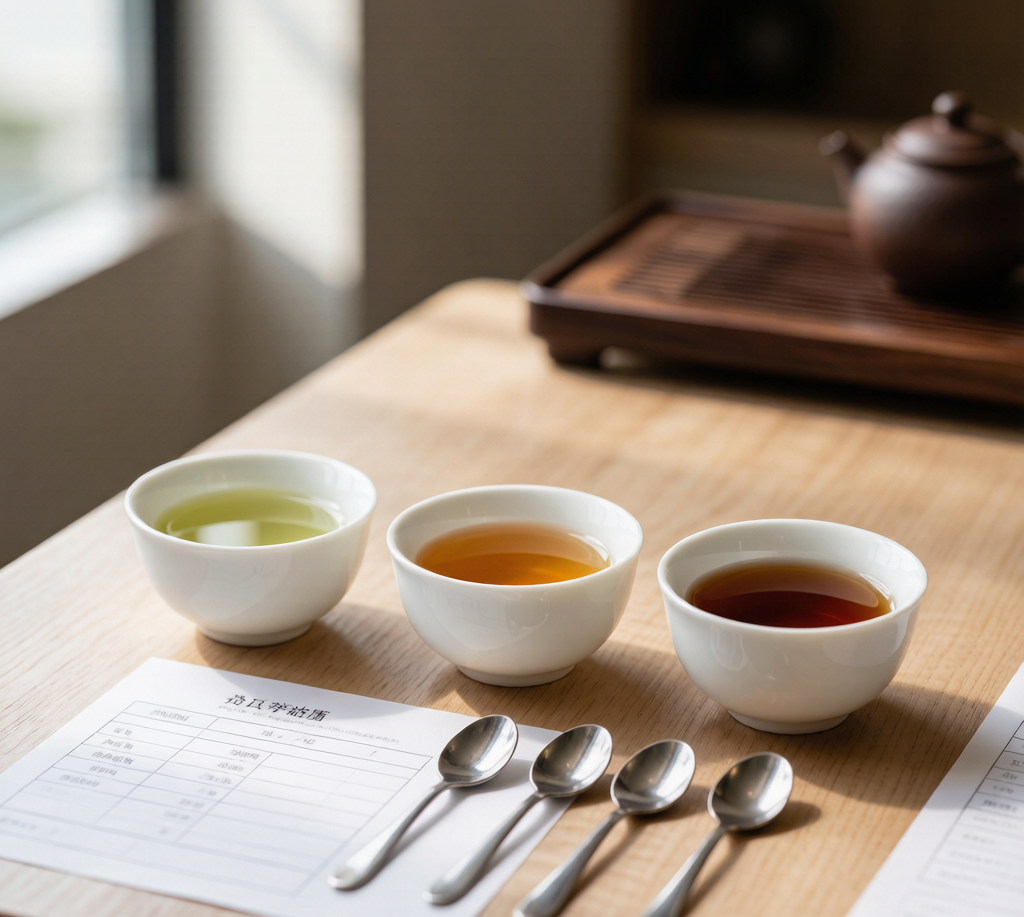
Hospitality
Scented green tea
The practical volume SKU for restaurants, hotels, tea houses, grocery importers, and private-label scented tea programs. Aromatic, familiar, and easy to evaluate in a first sample kit.
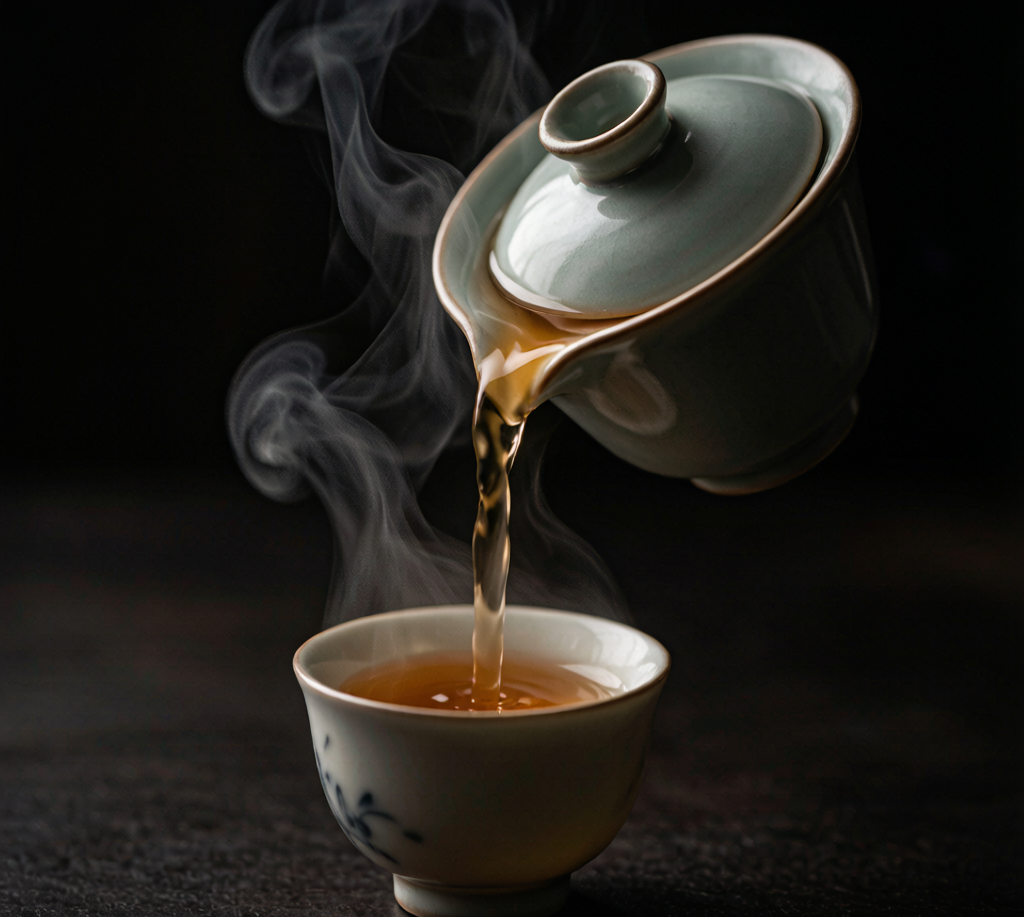
Floral Blend
Rose · Osmanthus · Chrysanthemum
A low-friction flavored tea line for lifestyle retail, gift sets, cafe menus, subscription boxes, and private label. Familiar floral notes make Chinese tea easier for Western buyers to introduce.

Matcha
Cafe · bakery · wellness
A modern channel SKU for matcha latte menus, bakeries, smoothie bars, wellness retail, premium grocery, and private-label powder products.
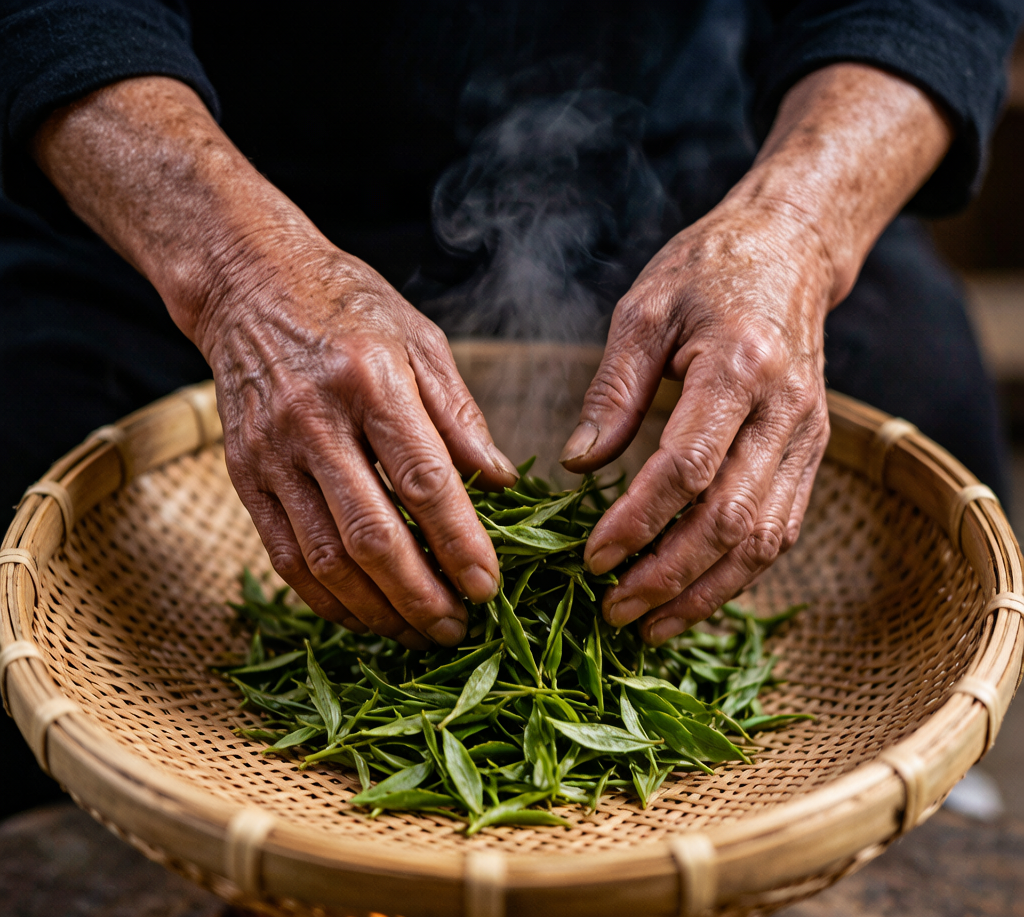
Black Tea
Keemun · Yunnan Dianhong options
The familiar entry point for Western black-tea buyers: breakfast-style blends, specialty loose leaf, hotel service, and retail pouch programs with clear grade ladders.

Rock Oolong
Wuyi Mountain, Fujian
A high-margin story SKU for specialty tea houses, gift boxes, premium tasting flights, and retailers that can educate buyers around roast, aroma, and mineral finish.
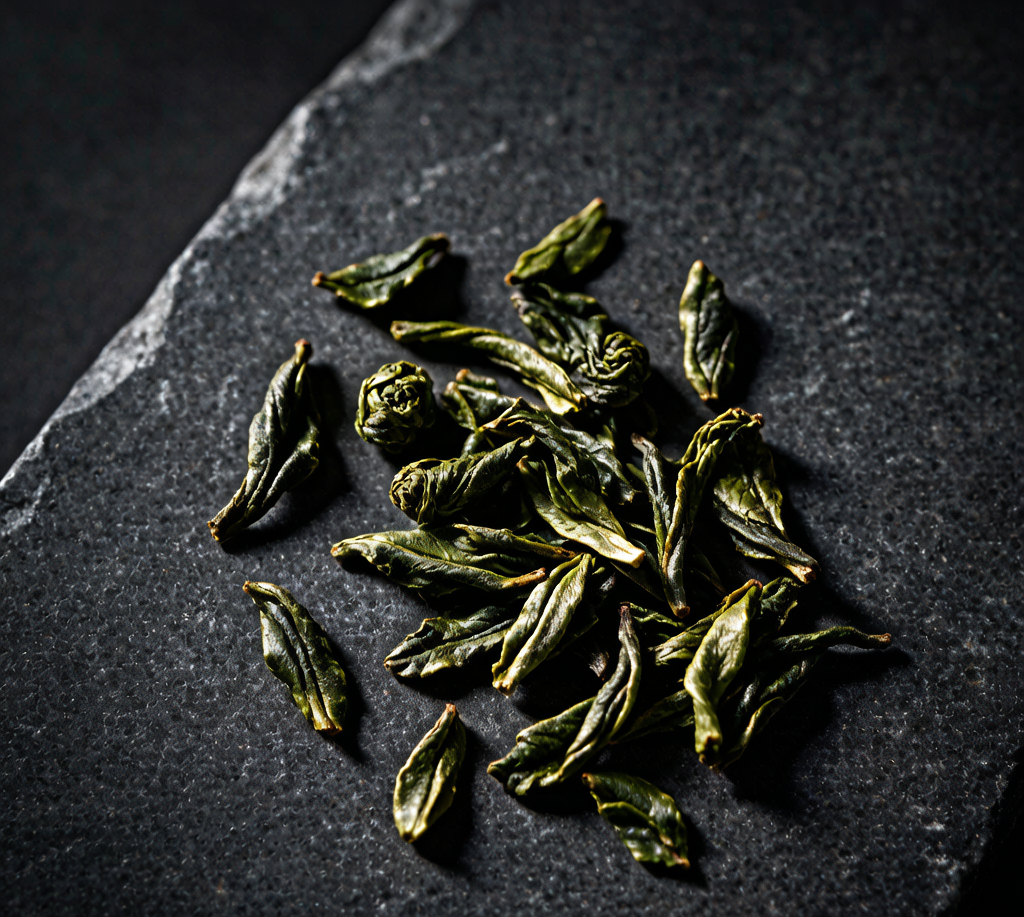
Green
Dragon Well style green tea
A recognizable Chinese green tea anchor for specialty retail, hospitality, and gifting programs. Best used as the green-tea benchmark in a first comparative sample kit.
Buyer Evaluation
The first sample kit should compare channel fit, pricing, packaging, documentation, and repeatability, not only aroma.
B2B Export Method
Sample · Quote · Ship
We keep the first export catalog intentionally small: six teas that answer six commercial buying scenarios. Each sample set is built around destination market, buyer channel, packaging need, target price, and annual volume.
The goal is not to send a broad catalog. The goal is to help a buyer decide which two or three SKUs deserve a real quotation, document check, and bulk-order conversation.
Market Fit
The first line is organized around commercial use cases, so buyers can compare likely margin, packaging, repeat demand, and education cost.
Jasmine Green
A familiar scented tea for restaurants, hotels, tea houses, and regional distributors that need repeatable service formats.
Floral Wellness Blend
An approachable flavored tea for gifts, wellness shelves, subscription boxes, and private-label seasonal lines.
Chinese Matcha
A modern channel product for matcha lattes, desserts, smoothies, wellness retail, and private-label powder programs.
Keemun & Yunnan options
A lower-education entry point for Western buyers who already understand black tea, breakfast blends, and hotel tea service.
Sample-to-Shipment
The workflow is built to reduce buyer risk: focused samples, documents, packaging decisions, quote confirmation, and shipment preparation.
Country, channel, annual volume, target price, and packaging need
Six-tea comparison set selected around the buyer's use case
Spec sheet, lot notes, lab-report status, packing options, and quotation inputs
Bulk bag, pouch, tin, sachet, gift box, or buyer label direction
Grade, MOQ, lead time, payment term, Incoterm, and freight route confirmed
Commercial invoice, packing list, origin certificate, and required export documents prepared
Quality Assurance
Trade buyers need clear product facts before they need a beautiful story: lot identity, documents, packaging, and repeatability.
Destination-country document and test expectations are discussed before bulk quotation.
Available lot reports and buyer-requested test scope are matched to the target market.
Samples and quotes are tied to grade, lot notes, harvest information, and packing format.
Bulk, pouch, tin, sachet, gift box, and buyer-label formats are reviewed early.
Export Desk
Clear contact points, sample flow, and shipment terms for importers, distributors, tea houses, specialty retailers, hotels, and wellness buyers.
Evaluation Guides
Use consistent brewing and channel-specific scoring so the final buying decision reflects quality, margin, packaging, and repeatability.
Heat to 75–80°C. Boiling water scalds delicate green leaves, creating bitterness.
Use 2g leaf per 150ml vessel. A heaped teaspoon per small gaiwan works well.
Pour hot water over leaves, immediately discard. This awakens the leaf gently.
Infuse 45–60 seconds for the first pour. Add 10–15 seconds for each subsequent steep.
Bring to 90–95°C. Oolong needs near-boiling to unfurl tightly rolled leaves fully.
Use 5–7g leaf per 150ml gaiwan. Oolong rewards generous leaf quantity.
Rinse your gaiwan or teapot with hot water before adding leaves. Temperature matters.
First steep 20 seconds. Good oolong yields 12+ steeps, evolving with each pour.
Use 95–100°C water for Chinese black tea so malt, cocoa, fruit, and body can show clearly.
Use 2–3g per 150ml for comparative tasting, then test stronger ratios for hotel service or milk-tea use.
Evaluate plain, with milk, and in the target packaging format if the buyer sells breakfast blends or hospitality service.
Score liquor color, aroma, bitterness, broken-leaf percentage, price ladder, and repeat-order stability.
Common Questions
Start a Conversation
Tell us your country, channel, volume, target price, and packaging need. We will curate a sample set with spec sheets, documentation status, packaging options, and quotation inputs.
Prefer email? Write directly to dscaro88@gmail.com.